Overview
Overview
The Finest Hunting Lands in the Southeast

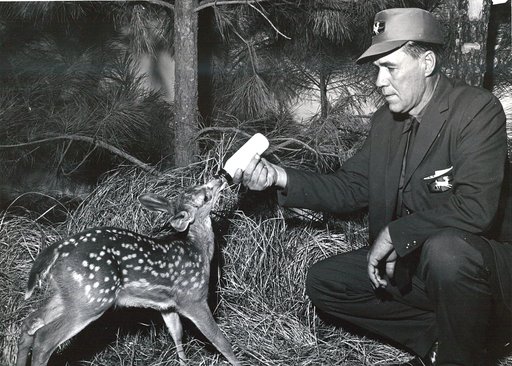
A few years later, we were one of the first private timber companies in the Southeast to hire a full-time wildlife biologist (Ray Redmond) to focus on restoring white-tailed deer and wild turkey populations in west Alabama. The Westervelt Company now manages nearly 750,000 acres of timberland and natural resources.
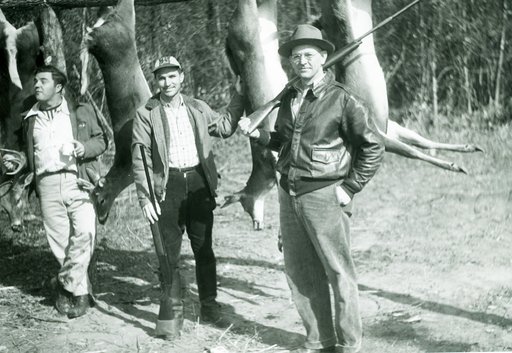
Westervelt was also among the first landowners to begin a quality deer management program by initiating the harvest of does and protecting young bucks to enhance the health and quality of our deer herd. Through sound wildlife management strategies, Westervelt lands became some of the finest hunting lands in Alabama and still are today. In the early 1970s, we were one of the first companies in Alabama to institute a hunting lease program on more than 400,000 acres of company-owned lands, and we opened Alabama's first public hunting lodge (Westervelt Lodge).
Today we offer quality hunting leases throughout the Southeast. Leasing land from Westervelt is more than simply having a place to hunt. With decades of wildlife management experience, our team of certified wildlife biologists works closely with our customers to help maximize the recreational value of the land they lease. Our leasing program offers personal access to our team of wildlife biologists, quality deer management cooperatives, professionally installed food plots, and long-term leases with no bidding.

Our history includes the reestablishment of white-tailed deer and wild turkey populations in Alabama, following the depression, where most county populations had been depleted.
Today our staff of experienced biologists, who are also lifelong hunters, work closely with our customers providing assistance with food plot management, aging bucks on the hoof, harvest data analysis, and overall hunting strategies. Our team strives to provide educational resources for our customers, providing the latest information regarding wildlife research. The most rewarding part of what we do is sharing in the successes of our customers.